So, contrary to what I thought before I left, I didn't end up in Afghanistan. I've been in Iraq since August 13th, 2009. It's been a little interesting, but mostly boring. I guess this isn't necessarily bad - because it also means I'm safe.
The air traffic here is extremely slow compared to Whidbey Island. Frequently, there are days that I work 12 hours and only talk to two or three aircraft. Even on the "busy" days, we don't average more than one aircraft per hour. The only complicated part about my job is the tactical airspace that is constantly changing. If you're a controller, the best way to describe this would be like variable reverse MVA's (minimum vectoring altitudes). Tactical aircraft reserve blocks of our airspace that we have to vector under, above, or around. We only have a 20NM radius and 5,000 feet of airspace to work with. So, if the tactical aircaft need some of our arrival/departure corridor, it makes for interesting work.
My work hours are a little ridiculous here. Most days are 12 hours long with the occasional 6-hour day and even more rarely a day off. Needless to say, I don't have much free time. I spend most of my day sitting in the CCS (communication and control subsystem - aka radar) freezing. The room I work in is only about 12 feet square and we have six giant air conditioners to keep all of the equipment cool and functional. However, this isn't always the case - equipment failures are a daily occurence and I frequently have trouble establishing 2-way communication with aircraft.
The environment outside of my work and living quarters is pretty brutal. It's mid-October and the temperature is still in the 90's each day. Not too much lives out here. I've seen a wild fox, tons of tiny lizards, the infamous camel spider, mice, a few large beatles, and a handful of small birds. When I run at night I can hear wild dogs in the distance, but have yet to see one. In two months, it's only rained twice. The first time was pretty cool because it was accompanied by an impressive thunderstorm. Last night was the second rain, and it only lasted for about a half hour. The ground was already dry when I woke this morning. Contrary to popular belief, there is no sand here. Just dust. Lots and lots of dust. It looks like sand - until you step into it with your boot. Then it just kicks up into a cloud and is whisked off by the wind. It's impossible to keep anything clean here. Everything in my room is covered in a film of tannish grit. Even after a shower, I never really feel clean.
They feed us pretty well here. Some days the food is better than others - but I've never gone hungry. I've spent many meals trying to figure out exactly what kind of meat I'm eating, but overall it's not bad. They've actually served steak and lobster at least four times since I've been here. The highlight of the chow-hall is the ice cream.
So, when I left Whidbey Island on my deployment, I didn't expect to be back until February or March. As it turns out, we will be leaving ahead of schedule and I should be home before Christmas. At first I was a little dissappointed. I planned on saving up a good amount of money here. Now, I'm okay with it. I look forward to getting back home. It's just so extrememly boring here. I feel like I'm wasting time sitting out here. The money is alright, but it's not worth it for me. Needless to say, I won't be signing up for a contract job in the Middle East any time soon.
All in all, I'm safe and content. It has been a good experience and I'm glad I came. I'm even more happy that it will all be over soon.
Friday, October 23, 2009
Monday, June 08, 2009

Sunday, June 07, 2009
ATC Symposium
Over the first week in May, I had the great opportunity to attend the Navy/Marine Air Traffic Control Symposium in San Diego, CA. It's a tool we use to educate each other about changes in the air traffic control world, as well as changes in our rate.
The best part about the symposium is the direct communication lines between all of the air traffic controllers. I was able to chat freely with controllers of all types. Retired officers and enlisted, active LDO's (limited duty officers), 8 or 9 Master Chiefs, and countless others. I reconnected with friends from A-School and others that I have worked with over the past few years. I feel priviliged to have attended my second symposium in my short navy career. Not everyone has this opportunity, so if you ever get the chance, jump on it. It will change the way you feel about our rate. You really get to see how small of a rate we work in. We look out for each other and it really shows at the symposium.
The best part about the symposium is the direct communication lines between all of the air traffic controllers. I was able to chat freely with controllers of all types. Retired officers and enlisted, active LDO's (limited duty officers), 8 or 9 Master Chiefs, and countless others. I reconnected with friends from A-School and others that I have worked with over the past few years. I feel priviliged to have attended my second symposium in my short navy career. Not everyone has this opportunity, so if you ever get the chance, jump on it. It will change the way you feel about our rate. You really get to see how small of a rate we work in. We look out for each other and it really shows at the symposium.

Friday, May 08, 2009
In Support of "Operation Enduring Freedom"
I received orders the other day. It's not time for my regular rotation to a new duty station. Normally I would be picking orders and transferring to a ship or naval air station sometime in January 2010. However, the Navy has a program called "Individual Augmentee" (IA). This program is used to supplement military forces around the world - usually in areas of conflict such as Afghanistan, Iraq, parts of Africa, Guantanamo Bay, and the like. Some sailors, like me, will be assigned orders that are related to their job (air traffic control). Others will be standing guard at traffic check-points or keeping an eye on detainees.
First, my orders will take me to Camp Lejuene and the 2nd Marine Aircraft Wing at Cherry Point in North Carolina. I will train there with the Marines for a while - not sure how long yet. After that I will be shipped to Afghanistan in support of "Operation Enduring Freedom." I don't know what part of the country I will be in yet. I will be working primarily with Marine forces. I don't really know a whole lot except that my estimated return date is in February 2010.
I will be working as a Radar Approach Controller - just like I do here at NAS Whidbey Island. There are obvious risks involved when being stationed "in theater." However, there is a certain amount of pride that I have in taking these orders. There are a number of opportunities that go along with this. I'll have a chance to travel places I would never think about going. There are numerous military awards that I may be eligible for. My pay will increase substantially - and tax free. Going to Afghanistan as an Indiviual Augmentee is great for my military career, should I choose to stay in.
I'll be sad to leave some good friends behind. I look forward to meeting new friends. I look forward to more life experience to help shape me as a person.
First, my orders will take me to Camp Lejuene and the 2nd Marine Aircraft Wing at Cherry Point in North Carolina. I will train there with the Marines for a while - not sure how long yet. After that I will be shipped to Afghanistan in support of "Operation Enduring Freedom." I don't know what part of the country I will be in yet. I will be working primarily with Marine forces. I don't really know a whole lot except that my estimated return date is in February 2010.
I will be working as a Radar Approach Controller - just like I do here at NAS Whidbey Island. There are obvious risks involved when being stationed "in theater." However, there is a certain amount of pride that I have in taking these orders. There are a number of opportunities that go along with this. I'll have a chance to travel places I would never think about going. There are numerous military awards that I may be eligible for. My pay will increase substantially - and tax free. Going to Afghanistan as an Indiviual Augmentee is great for my military career, should I choose to stay in.
I'll be sad to leave some good friends behind. I look forward to meeting new friends. I look forward to more life experience to help shape me as a person.
Wednesday, January 07, 2009
Approach Training
Since I've started to find that people are actually reading this blog, I figured I should probably update every once in a while.
I've been training on approach control for about six months now. It's been an interesting rollercoaster of ups and downs, but I feel I've been progressing well. I'm nearing the end of my training now. It's at the point where I will be qualified soon, or they will stop my training to give someone else a shot. I don't think that will happen, but it's a possibility.
I just want to make a quick comment about my training yesterday: Wow. It was probably the busiest I've seen it here in a long time. Lots of military aircraft in a limited amount of airspace. I was doing well for a while, but eventually I was saturated and unable to keep up. My instructor took over and straighted everything out. The good news: with a little more practice, this is something I will be able to handle with confidence. Looking forward to plugging in by myself in the near future.
I've been training on approach control for about six months now. It's been an interesting rollercoaster of ups and downs, but I feel I've been progressing well. I'm nearing the end of my training now. It's at the point where I will be qualified soon, or they will stop my training to give someone else a shot. I don't think that will happen, but it's a possibility.
I just want to make a quick comment about my training yesterday: Wow. It was probably the busiest I've seen it here in a long time. Lots of military aircraft in a limited amount of airspace. I was doing well for a while, but eventually I was saturated and unable to keep up. My instructor took over and straighted everything out. The good news: with a little more practice, this is something I will be able to handle with confidence. Looking forward to plugging in by myself in the near future.
Tuesday, November 04, 2008
Enlisted Career Roadmap
This document was provided to me recently from my chain of command. This is not an entire career roadmap. However, after reviewing this, I believe that it will set a solid foundation for your Navy career as an air traffic controller. If you want to start on the right foot, this is a good place. It begins with the delayed entry program (DEP). If you are beyond that point, just pick up wherever you are at in your career.
Just click the link below to download the MS word document.
AC Career Roadmap.doc
Just click the link below to download the MS word document.
Saturday, July 22, 2006
Relationships and the Military
This is long overdue, but I’m just going to make a note here on relationships and military life. Many shipmates in my division at basic training were in committed relationships when they arrived – including me. Some were married, some just very serious. Many couples grew stronger through long distances. One even got married on liberty weekend at the end of basic. Like many couples entering the military, my wife and I decided to get married shortly before I left. We planned to have a legal wedding to take care of the paper work, and then have a “real” wedding when I returned on leave 6 months later. This would provide a number of extra benefits (extra pay, medical coverage, life insurance, and more) for both of us as well as a sense of security in the relationship.
Please keep in mind, separation affects all couples differently. In the 5 and a half years before I left, we had not spent more than a week without each other. Even then, we were on the phone every day. So I knew my absence would be tough on both of us. Very unexpectedly, on graduation day, my newly-wed wife of 3 months and live-in girlfriend of more than five years told me she couldn’t stay with me. She had difficulty explaining why, but it had something to do with her newfound freedom once I left. Not that I was oppressive, but we just did EVERYTHING together. Neither of us saw this as an issue before, but it was always there. I think we were just blind to it. I’m not trying to scare anyone, but please just take this as an advisory notice: know the status of your relationship when you sign Uncle Sam’s papers. Try to look through the excitement of marriage and your new future. Unless happily married already, I recommend waiting at least until after basic training to do so. Don’t use the military as an excuse to rush a marriage. I’m sure it works for some, but my situation is all too common. If it’s worth it, he or she will wait for you. If they won’t, they aren’t worth it.
Please keep in mind, separation affects all couples differently. In the 5 and a half years before I left, we had not spent more than a week without each other. Even then, we were on the phone every day. So I knew my absence would be tough on both of us. Very unexpectedly, on graduation day, my newly-wed wife of 3 months and live-in girlfriend of more than five years told me she couldn’t stay with me. She had difficulty explaining why, but it had something to do with her newfound freedom once I left. Not that I was oppressive, but we just did EVERYTHING together. Neither of us saw this as an issue before, but it was always there. I think we were just blind to it. I’m not trying to scare anyone, but please just take this as an advisory notice: know the status of your relationship when you sign Uncle Sam’s papers. Try to look through the excitement of marriage and your new future. Unless happily married already, I recommend waiting at least until after basic training to do so. Don’t use the military as an excuse to rush a marriage. I’m sure it works for some, but my situation is all too common. If it’s worth it, he or she will wait for you. If they won’t, they aren’t worth it.
Friday, April 21, 2006
RADAR
So it's been a while since my last post. Let me fill you in. I've been working in flight planning since I arrived here at Whidbey Island. With only a couple of weeks of training left, I'm very close to being qualified. My time spent training there is about average for this facility. I know some of my former classmates only took a number of weeks to get through flight planning at their facilities. I think it takes longer here due to the complexity of our airspace.
Now that I'm nearing the end of my training in flight planning, I'm gearing up to go into radar. Tower had a certain appeal to it. Mainly because you can actually see the aircraft you are talking to, and I think it has a prestige factor. However, I was hoping and am happy to be working in radar. There are more positions to get qualified on and, as a new trainee, you really start CONTROLLING aircraft a lot sooner than in the tower. Anyway, I just picked up my headset last week. And now, today, I was called up to perform a few PAR approaches. Luckily, I haven't forgotten much from school, but there are certainly some differences. All in all, it went pretty well. Although, on my second approach, I had to give a traffic call. I was a little slow giving the call, and my pilot started to deviate from course a little. The instructor took over since the approach was nearly complete with little time to correct the mistake. Overall I was pleased with the way my first couple of approaches worked out. I'm certainly looking forward to more.
Now that I'm nearing the end of my training in flight planning, I'm gearing up to go into radar. Tower had a certain appeal to it. Mainly because you can actually see the aircraft you are talking to, and I think it has a prestige factor. However, I was hoping and am happy to be working in radar. There are more positions to get qualified on and, as a new trainee, you really start CONTROLLING aircraft a lot sooner than in the tower. Anyway, I just picked up my headset last week. And now, today, I was called up to perform a few PAR approaches. Luckily, I haven't forgotten much from school, but there are certainly some differences. All in all, it went pretty well. Although, on my second approach, I had to give a traffic call. I was a little slow giving the call, and my pilot started to deviate from course a little. The instructor took over since the approach was nearly complete with little time to correct the mistake. Overall I was pleased with the way my first couple of approaches worked out. I'm certainly looking forward to more.
Wednesday, February 22, 2006
Graduation Pictures
It's a little late, but better than never, right? Anyway, if you're interested, feel free to take a peek at the pictures taken from my graduation here.
Also, I've removed the comment box I was using before - if you feel the urge to comment, you can do so by following the link below any of my posts. Thanks!
Also, I've removed the comment box I was using before - if you feel the urge to comment, you can do so by following the link below any of my posts. Thanks!
Thursday, February 09, 2006
How It Works
So I've been here a couple of weeks now and I'm gonna give you the low down on what I've learned so far about the way things work around here. First, it's a 24-hour facility, so there are three shifts. Mids (2300-0700) are constant - meaning that the people that work mids always work mids. However, the day (0700-1500) and evening (1500-2300) shifts rotate every week. For example, I'm working days this week. Therefore, next week I'll be on evenings. upon arriving they put newcomers into either the Port or Starboard crew. This determines which rotation they will be on.
Regardless of what crew they are placed in, everyone starts training in Flight Planning. This is really the entry-level position for all air traffic controllers. Although, they ensure proper flight paths for aircraft, it's not done in real time. The level of risk here is very low. This is where I'm at now. Basically, we are given a pilot's flight plan - which they generally write up on their own. We just double check the plan to make sure everything is correct and then forward the information to everyone else who needs to know (other airports, centers, etc.). Likewise we receive plans from other airports and let everyone within the facility know who's coming. It's a lot more complicated than that, but that should give a basic understanding.
From there, the command will decide whether the new controller is needed in tower or radar - the two distinct divisions of ATC. Although there are some similarities between them, differences are vast. Far more people work radar than tower. This is due to that fact that radar covers a much larger section of airspace than the tower and also provide more tools/positions for pilots to use. In each area, there are any number of positions to be qualified on. A lot of people told me that I'd be lucky to make it past "Radar Final Control" (the first radar qualification) in the two years I'm here. However, I'm quickly learning that I really have control over my future here - just like with my career in the Navy. It's all about what I put into it, studywise and so forth. It's difficult for me to set goals on qualifications at this point, just because I don't fully understand how everything works. But I plan to get as many qualifications as I can...period. I can't afford to waste any time here...
Regardless of what crew they are placed in, everyone starts training in Flight Planning. This is really the entry-level position for all air traffic controllers. Although, they ensure proper flight paths for aircraft, it's not done in real time. The level of risk here is very low. This is where I'm at now. Basically, we are given a pilot's flight plan - which they generally write up on their own. We just double check the plan to make sure everything is correct and then forward the information to everyone else who needs to know (other airports, centers, etc.). Likewise we receive plans from other airports and let everyone within the facility know who's coming. It's a lot more complicated than that, but that should give a basic understanding.
From there, the command will decide whether the new controller is needed in tower or radar - the two distinct divisions of ATC. Although there are some similarities between them, differences are vast. Far more people work radar than tower. This is due to that fact that radar covers a much larger section of airspace than the tower and also provide more tools/positions for pilots to use. In each area, there are any number of positions to be qualified on. A lot of people told me that I'd be lucky to make it past "Radar Final Control" (the first radar qualification) in the two years I'm here. However, I'm quickly learning that I really have control over my future here - just like with my career in the Navy. It's all about what I put into it, studywise and so forth. It's difficult for me to set goals on qualifications at this point, just because I don't fully understand how everything works. But I plan to get as many qualifications as I can...period. I can't afford to waste any time here...
Wednesday, January 25, 2006
Real Life Controller
That's me! Today I actually controlled a couple of REAL aircraft. I went up into the tower for the first time - my first time in ANY tower. I was happy just to be there - then they told me to hop on position. I thought they were joking... Nope. So I was on local control for a few minutes. I had one plane in a pattern - he completed three "touch and go's" while I was on position. I cleared another aircraft for takeoff. He aborted the first time due to mechanical issues, but I cleared him a second time and off he went. I was able to jump in because it was a slow day, but the other controllers still helped out - making sure I knew what to say, etc. I was amazed at how closely our simulators in school resembled real-life. It was probably the most exciting moment for me so far - even better than graduation. I can't wait to do more. Chances are I'm going to wind up in radar, but I look forward to getting more time in the tower!
Tuesday, January 24, 2006
Beautiful Whidbey Island
Thought I'd post a few pictures. Note: these were all taken on base! The weather has been a little grey and gloomy the last couple days, but I was able to sneak a few great shots during the sun breaks. (click to see full size) Enjoy...
Saturday Evening:


Tuesday Evening - Control Tower and Mt. Baker

Sunset on Tuesday:


Monday, January 23, 2006
From Graduation to Duty Station
I feel bad. It's been so long since my last post. Obviously I've graduated by now and I'm even on Whidbey Island! I took a little bit of leave before driving up here. Graduation was great - everything went pretty smooth. It was tough to leave behind classmates and good friends, but on to a new chapter...
I've been here on NAS (Naval Air Station) Whidbey Island since late friday afternoon. Things are much more laid back and already it seems like a regular nine-to-five. There was a little culture shock coming from a training command, but not nearly as much as from RTC (boot camp) to Pensacola. It's certainly a small community. If it weren't for all of the outdoor activities - hiking, camping, snowboarding, fishing, etc. - I imagine life here would be very dull. I'm looking forward to making new friends and really starting air traffic control!
I've been here on NAS (Naval Air Station) Whidbey Island since late friday afternoon. Things are much more laid back and already it seems like a regular nine-to-five. There was a little culture shock coming from a training command, but not nearly as much as from RTC (boot camp) to Pensacola. It's certainly a small community. If it weren't for all of the outdoor activities - hiking, camping, snowboarding, fishing, etc. - I imagine life here would be very dull. I'm looking forward to making new friends and really starting air traffic control!
Sunday, January 08, 2006
Last Days
Waiting. That's really all we're doing now. After returning from holiday leave, we finished up our last test: Arrival. The arrival controllers direct aircraft within close proximity (15-20 miles) to the airport and hand them off to either the ASR or PAR controller for final approach. The primary goal is to put arriving aircraft into a pattern and line them up for a smooth handoff. Of course the most important part is maintaining proper separation between aircraft. I was a little worried about this test (P-Run) due to the fact that we had such a long break right beforehand. However, the instructors took all factors into account and I pulled out a 100!
Graduation is in two days. Normally, my class would be in flight planning right now. I don't know much about it, though. We had such little time before graduation that we are skipping it. Instead we tested out a new simulator - it was cake. Like I said, we're really just waiting around to graduate. We spend most of our time in the flight planning room - goofing off. It's nice to be the grad class!
It'll be tough to leave. It's funny - up until now I couldn't wait to get out of here. This past week has been so much fun, though. I'm really going to miss my friends here. I'm sure I'll be back for C-School (more specific, advanced training) at some point. I can safely say that I will be looking forward to it. I have a ton of packing, but I'll keep this updated as I travel to Whidbey Island, WA. I'll be on leave again for 7 or 8 days before I get there. See you on the flip side!
Graduation is in two days. Normally, my class would be in flight planning right now. I don't know much about it, though. We had such little time before graduation that we are skipping it. Instead we tested out a new simulator - it was cake. Like I said, we're really just waiting around to graduate. We spend most of our time in the flight planning room - goofing off. It's nice to be the grad class!
It'll be tough to leave. It's funny - up until now I couldn't wait to get out of here. This past week has been so much fun, though. I'm really going to miss my friends here. I'm sure I'll be back for C-School (more specific, advanced training) at some point. I can safely say that I will be looking forward to it. I have a ton of packing, but I'll keep this updated as I travel to Whidbey Island, WA. I'll be on leave again for 7 or 8 days before I get there. See you on the flip side!
Thursday, December 29, 2005
Questions
I recently received a few questions from a soon-to-be AC. I've been communicating with her via email and she asked some great questions. With her permission I've posted them below in hopes that they may help out some others. I'm always happy to answer questions. Feel free to contact me if you have any.
Q:What can you tell me about 'sea tours' and / or ship assignments? How long do they last? Are you assigned to a ship with a home port of wherever, and you are sometimes in port and frequently out to sea doing whatever, for however long?
A:Well, I’ve heard two different things here. It’s either ship assignments are 3 years and shore assignments are 2 years or vice versa. Ships typically have a homeport, like you said, and go out to sea for periods of time. Your recruiter may have told you that there is a “6 month rotation.” I would not take his/her word for it. I’ve learned that every ship has a different schedule and some spend a lot more time at sea than others. Various factors may affect this (decommissioning, etc). I would count on occasional tours of 6 months or more and a number of smaller trips lasting 2 weeks to a couple of months.
Q:I understand that everyone will do a sea tour. Does that sound right to you? One of the recruiters here advised taking a sea tour first, to jump start one's career (if we make a career in the Navy).
A:As a general rule, I believe this is true. However, I have heard of some people not going to sea in their first 5 years. Your recruiter gave you great advice about going to sea first – especially as an AC. Whether you want to make a career out of the Navy or not, it’s a good idea. At sea you can get air warfare (AW) and sea warfare (SW) qualified. This will help you gain rank faster. The bonus to this (besides pay and seniority) is this: Once you DO go to a shore station you will have rank over all of the E-1 through E-4 personell. You will take priority when getting qualified for all of the different AC positions (great for FAA!). If you want to make a career out of the Navy, I can almost guarantee that you will not make Chief (E-7) without AW or SW ship quals. I’ve also heard it can be difficult to get orders to a ship after your first 5 years or so. I would have jumped on ship orders, but my only option was an LHA. They mainly carry helicopters and a few harriers. I thought my time would be best spent at Whidbey Island.
Q:Do you know where I can get an idea of the possible assignment locations that could come up?
A:Here is a link to Naval Air Stations. Any that start with NAS are possiblities. However, keep in mind that the Navy is undergoing a mass reorganization and some stations are closing/closed (i.e. Guantanamo Bay, Cuba). Also, here is a list of homeports and ships that are stationed out of each. Look for ships starting with CV (carriers) or LH (amphibious). These are the most likely ships for you to be stationed on.
Q:I think you mentioned that you are married? How is that working out for your wife? Is she in WA area, or back at your home, preparing to move to WA, where you'll be stationed? And you'll be there for 3 years?
A:Yes, I was married. However, things didn’t work out so well after I joined the Navy. I don’t think she was really prepared for what things were going to be like after I left. I’m on my own now, but the plan was to have her move to my duty station with me. One thing to keep in mind: If married, you will likely be limited to orders within the US (no overseas). This does not exclude you from ship assignments, though.
Q:It seems like you went directly to FL from boot camp. People are telling me to drive to FL if at all possible (which will be at the discretion of the commanding officers and whenever my school starts, since my home is in PA.). Do you find being in FL without a car a disadvantage?
A:Yes, unlike some recruiters may advertise, there is no leave between boot camp and A school. You will be flown directly to Pensacola. Many people have families drive their cars down if and when they come to visit. I found it difficult not having a car. I spent a lot of money in taxi fees. It’s always nice to get off base when you can. At the same time, beware: if you have a car here, you will soon become everyone’s best friend!
Q:Did you have your wife ship you things to FL? Someone told me to pack some stuff to have sent to me in FL in case I can't get home, and I'm wondering what that should be (civilian clothing, cell phone, etc.)?
A:Great idea! This was my plan as well, but everything was so rushed before I left, I ran out of time. You will surely want clothes once they allow you to go out in civilian clothes (civies). Calling cards really add up – a cell phone is a great idea - just make sure you have a national calling plan or get your home calling area changed. The only other suggestion I would make would be pictures or trinkets from home. Even with so many people on base, it can be very lonsome at times. It’s always nice to have something to remind you of home. I would pack the box before you leave. As soon as you arrive in Pensacola, you can call home and give them the address. You will be leaps and bounds ahead of your shipmates.
Q:I wear contact lenses. I don't know if you know if people in the fleet can wear them, or it's a glasses only thing?

A:I know that they won’t let you wear you contacts at boot camp. You will be issued a very attractive pair of BC’s (birth control glasses). Once you’re in the fleet, though, I don’t think it’s an issue. I can’t say for sure, but I haven’t heard of anyone in the schoolhouse having problems with them.
Q:I think you mentioned planning to serve your term and then go to the FAA to be a civilian controller. Is that right? That would probably be my plan as well, especially being a female, if I want to have a family, etc.
A:That’s the plan right now. I’ve haven’t seen this in writing, but I’ve heard from many people that the FAA has an age cutoff at 31 years old. Meaning that they won’t hire you if you’re older than that. I’m pushing it as I will be 30 after my enlistment is up. The other alternative is to make a career out of the Navy and retire. The FAA has some sort of program to pick up retired military controllers. I think there is a minimum number of years you have to put in the military first, though. I still need to research all of this more, though. I’ve only heard by word of mouth. Edit: After replying with this answer, she was kind enough to respond back with the following info - "I've done a bit (a tiny bit) of research on the military to FAA situation,and the FAA cutoff is 30 or 31, but they do supposedly make an exception for prior military. And I think when they say 'retired' they mean being on terminal leave (which I believe is having completed your commitment and honorably discharged, not necessarily having served 20 years.) I was especially concerned for myself, since I'm entering the military at 30.I'm looking at the faa.gov site now and I called their number (1-866-835-5322), but I just got a menu that doesn't mention anything about age." ***EDIT 07/14/2011*** I've stated this in more recent posts, but just to avoid any confusion: Prospective employees are ineligible for hire by the FAA after their 31st birthday. If you receive a Tentative Offer Letter prior to your 31st birthday, all is good. The exception is for retired military controllers (20 years active duty or more) under the Pheonix 20 program. Also, if you were hired by the DoD as a controller prior to your 31st birthday, you can cross over to the FAA later on without an issue.
Q:What can you tell me about 'sea tours' and / or ship assignments? How long do they last? Are you assigned to a ship with a home port of wherever, and you are sometimes in port and frequently out to sea doing whatever, for however long?
A:Well, I’ve heard two different things here. It’s either ship assignments are 3 years and shore assignments are 2 years or vice versa. Ships typically have a homeport, like you said, and go out to sea for periods of time. Your recruiter may have told you that there is a “6 month rotation.” I would not take his/her word for it. I’ve learned that every ship has a different schedule and some spend a lot more time at sea than others. Various factors may affect this (decommissioning, etc). I would count on occasional tours of 6 months or more and a number of smaller trips lasting 2 weeks to a couple of months.
Q:I understand that everyone will do a sea tour. Does that sound right to you? One of the recruiters here advised taking a sea tour first, to jump start one's career (if we make a career in the Navy).
A:As a general rule, I believe this is true. However, I have heard of some people not going to sea in their first 5 years. Your recruiter gave you great advice about going to sea first – especially as an AC. Whether you want to make a career out of the Navy or not, it’s a good idea. At sea you can get air warfare (AW) and sea warfare (SW) qualified. This will help you gain rank faster. The bonus to this (besides pay and seniority) is this: Once you DO go to a shore station you will have rank over all of the E-1 through E-4 personell. You will take priority when getting qualified for all of the different AC positions (great for FAA!). If you want to make a career out of the Navy, I can almost guarantee that you will not make Chief (E-7) without AW or SW ship quals. I’ve also heard it can be difficult to get orders to a ship after your first 5 years or so. I would have jumped on ship orders, but my only option was an LHA. They mainly carry helicopters and a few harriers. I thought my time would be best spent at Whidbey Island.
Q:Do you know where I can get an idea of the possible assignment locations that could come up?
A:Here is a link to Naval Air Stations. Any that start with NAS are possiblities. However, keep in mind that the Navy is undergoing a mass reorganization and some stations are closing/closed (i.e. Guantanamo Bay, Cuba). Also, here is a list of homeports and ships that are stationed out of each. Look for ships starting with CV (carriers) or LH (amphibious). These are the most likely ships for you to be stationed on.
Q:I think you mentioned that you are married? How is that working out for your wife? Is she in WA area, or back at your home, preparing to move to WA, where you'll be stationed? And you'll be there for 3 years?
A:Yes, I was married. However, things didn’t work out so well after I joined the Navy. I don’t think she was really prepared for what things were going to be like after I left. I’m on my own now, but the plan was to have her move to my duty station with me. One thing to keep in mind: If married, you will likely be limited to orders within the US (no overseas). This does not exclude you from ship assignments, though.
Q:It seems like you went directly to FL from boot camp. People are telling me to drive to FL if at all possible (which will be at the discretion of the commanding officers and whenever my school starts, since my home is in PA.). Do you find being in FL without a car a disadvantage?
A:Yes, unlike some recruiters may advertise, there is no leave between boot camp and A school. You will be flown directly to Pensacola. Many people have families drive their cars down if and when they come to visit. I found it difficult not having a car. I spent a lot of money in taxi fees. It’s always nice to get off base when you can. At the same time, beware: if you have a car here, you will soon become everyone’s best friend!
Q:Did you have your wife ship you things to FL? Someone told me to pack some stuff to have sent to me in FL in case I can't get home, and I'm wondering what that should be (civilian clothing, cell phone, etc.)?
A:Great idea! This was my plan as well, but everything was so rushed before I left, I ran out of time. You will surely want clothes once they allow you to go out in civilian clothes (civies). Calling cards really add up – a cell phone is a great idea - just make sure you have a national calling plan or get your home calling area changed. The only other suggestion I would make would be pictures or trinkets from home. Even with so many people on base, it can be very lonsome at times. It’s always nice to have something to remind you of home. I would pack the box before you leave. As soon as you arrive in Pensacola, you can call home and give them the address. You will be leaps and bounds ahead of your shipmates.
Q:I wear contact lenses. I don't know if you know if people in the fleet can wear them, or it's a glasses only thing?
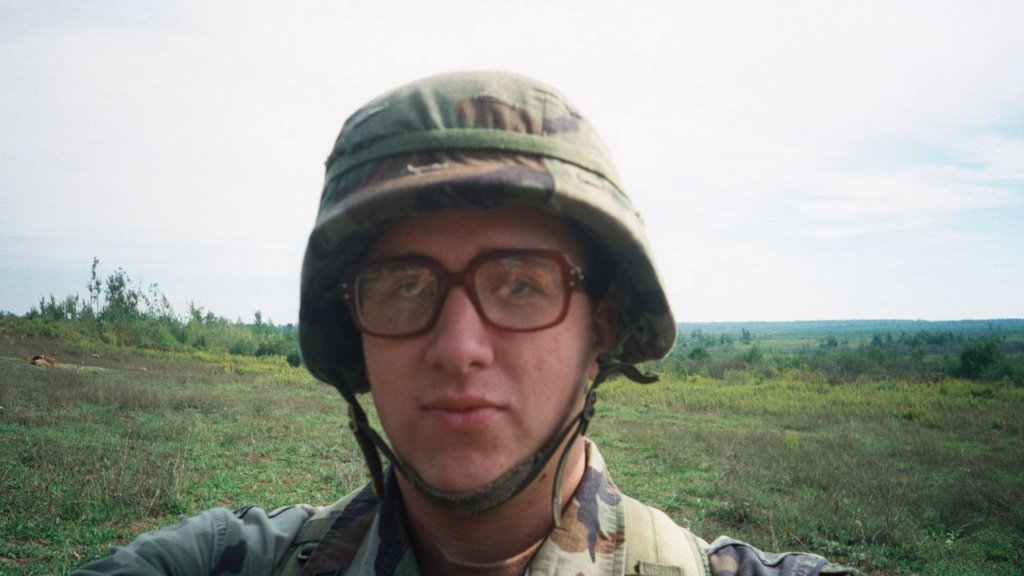
A:I know that they won’t let you wear you contacts at boot camp. You will be issued a very attractive pair of BC’s (birth control glasses). Once you’re in the fleet, though, I don’t think it’s an issue. I can’t say for sure, but I haven’t heard of anyone in the schoolhouse having problems with them.
Q:I think you mentioned planning to serve your term and then go to the FAA to be a civilian controller. Is that right? That would probably be my plan as well, especially being a female, if I want to have a family, etc.
A:That’s the plan right now. I’ve haven’t seen this in writing, but I’ve heard from many people that the FAA has an age cutoff at 31 years old. Meaning that they won’t hire you if you’re older than that. I’m pushing it as I will be 30 after my enlistment is up. The other alternative is to make a career out of the Navy and retire. The FAA has some sort of program to pick up retired military controllers. I think there is a minimum number of years you have to put in the military first, though. I still need to research all of this more, though. I’ve only heard by word of mouth. Edit: After replying with this answer, she was kind enough to respond back with the following info - "I've done a bit (a tiny bit) of research on the military to FAA situation,and the FAA cutoff is 30 or 31, but they do supposedly make an exception for prior military. And I think when they say 'retired' they mean being on terminal leave (which I believe is having completed your commitment and honorably discharged, not necessarily having served 20 years.) I was especially concerned for myself, since I'm entering the military at 30.I'm looking at the faa.gov site now and I called their number (1-866-835-5322), but I just got a menu that doesn't mention anything about age." ***EDIT 07/14/2011*** I've stated this in more recent posts, but just to avoid any confusion: Prospective employees are ineligible for hire by the FAA after their 31st birthday. If you receive a Tentative Offer Letter prior to your 31st birthday, all is good. The exception is for retired military controllers (20 years active duty or more) under the Pheonix 20 program. Also, if you were hired by the DoD as a controller prior to your 31st birthday, you can cross over to the FAA later on without an issue.
Friday, December 09, 2005
Precision Approach Radar (PAR)
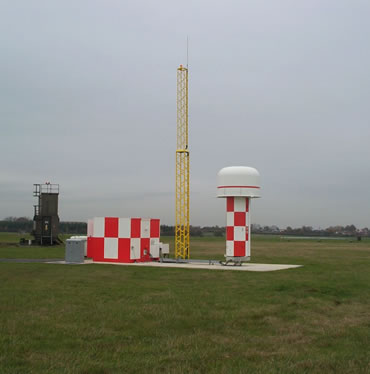
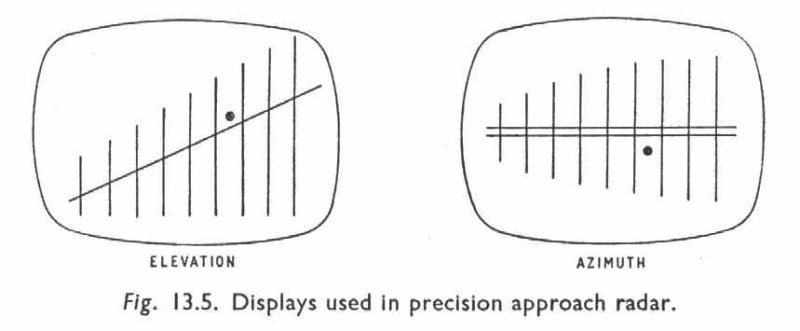
This type of approach differs from ASR by providing the vertical position of the aircraft as well as horizontal. It's much like working with the X and Y axis on a graph. It's the job of the PAR controller to make sure the pilot stays on both paths (horizontal = course and vertical = glideslope) in order for a safe approach. There's more to keep track of than with ASR, so obviously it's a little more complicated. However, our class did very well again. Everyone passed. I pulled out with a 97%. We're now starting to get into Arrival Control. More on this after the holiday.
Christmas stand-down starts on December 17th, but I'll be leaving the 22nd and return January 3rd. I can't wait to get back home and see my family and friends - most of whom I haven't seen since I left for boot camp June 1st. If I don't post before I leave, have a great holiday!
Friday, December 02, 2005
Whidbey Island, Here I Come!
 This will be quick, because I'm out the door to go camping. I didn't expect to pick so early, but they lined us up today! I had a lot of choices, but I went with Whidbey Island, Washington. Not because it's my home state, but mainly because it will be the quickest place for me to get all of my qualifications. It is one of the busiest Naval Air Stations available. In order to continue my career with the FAA after my enlistment, I think this is the best option for me. Anyway, I'm on my way out, but I had to share the news! I can't wait to start controlling! Until next time...
Thursday, December 01, 2005
Orders Requested!
The schoolhouse requested our orders today and it looks like we will be able to pick sometime within the next week! We had a quick brief today on the process. It's pretty much a crap-shoot, with a couple of exceptions. First, they take into consideration those who have dependants (husband, wife, and/or children). For their first permanent duty station, these sailors will not be allowed to receive overseas order billets. They can, however, still receive orders to a ship. Chances are, though, that they will be sent somewhere close to where their dependants are currently living.
Secondly, anyone with a waiver for some type of moral conviction (i.e. DUI/DWI, drug use, etc.) within the last 2 years will also not be allowed to pick overseas orders. They will either wind up on a ship or on shore in the states.
Lastly, if there are ship assignments in the list of orders, any females in the class are automatically assigned them. Males would be left with whatever remains. Unless, there a multiple ship orders and they are designated either male or female billets. Obviously, males can not fill female billets and vice versa.
Basically, if married, the best you can hope for is shore duty in the states or ship duty. Also, if you want to be stationed overseas, join the Navy with a clean nose and try not to get in trouble while you're here. To give you an idea, one sailor in our class was recently caught drunk while on duty. The sailor is automatically disqualified from any overseas orders and will almost surely not have a choice on where they wind up. Many people are dropped from the school for lesser offenses. Just more incentive to stay out of trouble...
Secondly, anyone with a waiver for some type of moral conviction (i.e. DUI/DWI, drug use, etc.) within the last 2 years will also not be allowed to pick overseas orders. They will either wind up on a ship or on shore in the states.
Lastly, if there are ship assignments in the list of orders, any females in the class are automatically assigned them. Males would be left with whatever remains. Unless, there a multiple ship orders and they are designated either male or female billets. Obviously, males can not fill female billets and vice versa.
Basically, if married, the best you can hope for is shore duty in the states or ship duty. Also, if you want to be stationed overseas, join the Navy with a clean nose and try not to get in trouble while you're here. To give you an idea, one sailor in our class was recently caught drunk while on duty. The sailor is automatically disqualified from any overseas orders and will almost surely not have a choice on where they wind up. Many people are dropped from the school for lesser offenses. Just more incentive to stay out of trouble...
Wednesday, November 30, 2005
Airport Surveillance Radar (ASR)
.
This past week has been so much fun! We've been working the Airport Surveillance Radar (ASR) simulators to death. ASR is used as a non-precision (provides a 2-D horizontal position only, not vertical) final approach aid. Basically, the aircraft is handed off to the person working the ASR at about 10-15 miles from the runway. It is the ASR controller's job to guide the pilot into the runway on a specific course while providing any pertinent information. You are the last voice the pilot hears before touchdown.
Our ASR "P-Run" (term used to identify a test on a simulator) was today. Our class did very well. Many of us scored 100's, including me. Simulators are definately my favorite part of school. We receive hand's-on experience without the fear creating real "fireballs." Tomorrow we start PAR (Precision Approach Radar) which is very similar, just a little more complicated :) I can't wait for more!
On a side note, we finally had our Physical Readiness Test (PRT). Afterwards, I found the Navy's standards and requirements for my age group. It looks like I made an "Outstanding" which should give me 3 points on my overall average. As things stand now, I believe that would push me to the top of the class and first to pick orders! Things are looking up.

This past week has been so much fun! We've been working the Airport Surveillance Radar (ASR) simulators to death. ASR is used as a non-precision (provides a 2-D horizontal position only, not vertical) final approach aid. Basically, the aircraft is handed off to the person working the ASR at about 10-15 miles from the runway. It is the ASR controller's job to guide the pilot into the runway on a specific course while providing any pertinent information. You are the last voice the pilot hears before touchdown.
Our ASR "P-Run" (term used to identify a test on a simulator) was today. Our class did very well. Many of us scored 100's, including me. Simulators are definately my favorite part of school. We receive hand's-on experience without the fear creating real "fireballs."
 Tomorrow we start PAR (Precision Approach Radar) which is very similar, just a little more complicated :) I can't wait for more!
On a side note, we finally had our Physical Readiness Test (PRT). Afterwards, I found the Navy's standards and requirements for my age group. It looks like I made an "Outstanding" which should give me 3 points on my overall average. As things stand now, I believe that would push me to the top of the class and first to pick orders! Things are looking up.
Friday, November 18, 2005
3.1 / 3.2 Test
After a week in block three, I'm wondering why everyone says it's so much easier than the others. The first week was all book-work (just like block one, ugh). We covered a ton of info in just a couple of days. The test was the most difficult written test up to this point (but also the last written test - woo hoo!). Our class average for the test was a measly 80%! However, the standings didn't change much - as far as rank in class. We've had so many tests now, that even a low score such as my pathetic 78%, doesn't really affect my overall average much. Despite the numerous low scores, surpisingly we had no failures and everyone will move forward as a class. From what our instructors say, this was the last big hurdle. Everything should be down hill from here, but I've been thinking that for a while :) I'm not holding my breath...
Wednesday, November 09, 2005
Block Two Summary
Today marks the end of block two. Everyone in the class is breathing a little easier. It's amazing! We made it through without losing anyone else! Seems that we're coming together a little more and acting as a real team. Through the past few weeks, we've been forced to look out for and help each other while working in the simulator. The three positions all rely on each other to control traffic safely. If one person screws up... well, I belive the saying goes: "sh*t rolls downhill." Not only does a mistake get you in trouble, if the other controllers don't catch it, they also feel the effects. I think this has helped build bonds between classmates and ensured that we didn't leave anyone behind.
Anyway, overall I really enjoyed block two. It was great to get some real hands-on experience. I have a lot more confidence in where my career is headed as well as a sense of pride in what I'm doing here. The instructors are less forgiving throughout the 3 weeks, but I think it helped all of us pick it up a little faster. Things turned out well for everyone. On our final run (the one that counts toward our GPA), I scored 99 on flight data, 95 on ground control, and a whopping 73 on local control. I was really dissappointed in my local score, but all I can do is move on to the next block.
If I haven't mentioned it before, we are now down to 11 students. We started with 18, and lost 9. However, we've had two from upper classes dropped back into ours (hence 11 total). Surprisingly, out of the 9 we lost, only 2 of our original class have actually been dropped from the school. The other 7 were just set back (they still haven't made their way to block two, though). I expect to graduate with all those currently in my class. From what I hear, block three is a chance to loosen the belt and relax a little. It sounds like from here on out, the instructors make sure you graduate.
If things go well, we should be picking orders in the next 3 to 4 weeks. I can't wait to find out where I'll be headed! I'm hoping for Italy or Spain. next to that, I would take orders to Japan, Norfolk (Virginia), or Washington State. I also wouldn't mind ship duty - I'd really like to travel and see as many places as possible. My choice in orders is all based upon rank in the class. Figuring GPA alone, I'm 3rd or 4th after today. However, after figuring in my "outstanding" on uniform inspection and hopefully an "outstanding" in the upcoming PRT (physical readiness test), I may move up to 1st or 2nd. Since we have 9 Navy students (the other 2 are Marines, and their orders are separate from ours), we'll be given 9 sets of orders. Top person in the class has first choice, and the 9th person would be stuck with whatever is left. Good thing I'm not too picky :) - I'll be sure to keep you updated on where I'm headed.
Anyway, overall I really enjoyed block two. It was great to get some real hands-on experience. I have a lot more confidence in where my career is headed as well as a sense of pride in what I'm doing here. The instructors are less forgiving throughout the 3 weeks, but I think it helped all of us pick it up a little faster. Things turned out well for everyone. On our final run (the one that counts toward our GPA), I scored 99 on flight data, 95 on ground control, and a whopping 73 on local control. I was really dissappointed in my local score, but all I can do is move on to the next block.
If I haven't mentioned it before, we are now down to 11 students. We started with 18, and lost 9. However, we've had two from upper classes dropped back into ours (hence 11 total). Surprisingly, out of the 9 we lost, only 2 of our original class have actually been dropped from the school. The other 7 were just set back (they still haven't made their way to block two, though). I expect to graduate with all those currently in my class. From what I hear, block three is a chance to loosen the belt and relax a little. It sounds like from here on out, the instructors make sure you graduate.
If things go well, we should be picking orders in the next 3 to 4 weeks. I can't wait to find out where I'll be headed! I'm hoping for Italy or Spain. next to that, I would take orders to Japan, Norfolk (Virginia), or Washington State. I also wouldn't mind ship duty - I'd really like to travel and see as many places as possible. My choice in orders is all based upon rank in the class. Figuring GPA alone, I'm 3rd or 4th after today. However, after figuring in my "outstanding" on uniform inspection and hopefully an "outstanding" in the upcoming PRT (physical readiness test), I may move up to 1st or 2nd. Since we have 9 Navy students (the other 2 are Marines, and their orders are separate from ours), we'll be given 9 sets of orders. Top person in the class has first choice, and the 9th person would be stuck with whatever is left. Good thing I'm not too picky :) - I'll be sure to keep you updated on where I'm headed.


Saturday, October 29, 2005
Pushing Tin

I just watched the comedy Pushing Tin. Although the plot of the movie is based around the competition between two colleagues, it takes place in New York's radar approach center (TRACON). It gives a great inside look at an approach controller's job. I found this to be a great watch all around. I was laughing most of the way through and also enjoyed the ATC side of it. I would recommend it - especially if you are a fan of John Cusack or Billy Bob Thornton.
Thursday, October 27, 2005
Tower Simulator
 Yesterday was our first day in the cab (tower simulator)! I was really nervous going in. We've learned so much in the last 3 days, and now we have to put it to action. The cab is split into three main positions: local controller, ground controller, and flight data. I started on ground. It was so much fun! I remembered everything I was supposed to say and traffic went soooo smooth. Ground control has responsiblity for all vehicles as well as aircraft which are in taxi to departure or just arriving. It couldn't have gone any better! It's so nice to be using the tools we've learned. After finishing with ground, I moved to local. Things didn't go so buttery smooth here, but it could have been worse. I'll be studying up today. Overall, I walked away with a lot more confidence and I can't wait to keep moving forward. After all was said and done, I had a real feeling of accomplishment. Hopefully this will continue through the rest of school and into my career...
Side note: we start night school today. This means we don't have to show up for class until 4:30pm (1630 military time) and we'll be out by 7 or 8pm. We spend the entire time in the cab. This will last for about 11 or 12 days. Then it's back to days.
Pictures
Top Left: A tower simulator similar to the one we are using here in pensacola
Lower Right: The inside of an actual tower
Wednesday, October 19, 2005
ATC Career Outlook
Stumbled across this today. This is largely in part to an incident during Reagan's presidency. Basically, the majority of the ATC force was fired for striking over wages (after previously agreeing to never strike). The mass rehire following the layoffs made it so that the majority of controllers are in the same age group. This age group is hitting retirement over the next few years. I'd already heard that there would be a large market opening for air traffic controllers soon. It's just nice to hear it come from someone other than the Navy recruiter! Things are looking more promising...
AWT Test (End of Block One!)
Today we were given the AWT (Airman's Written Test). After passing this test you receive the "pink card" which allows you to legally control aircraft. It's a little scary to know that after only 6 weeks in school i passed the test. However, this is merely a formality. I still have 3 weeks of tower simulator and 6 weeks of radar beforfe I'm done. Even then, most of my "real" training will be on the job. I'm sure it will be a long time before I'm controlling aircraft on my own. The most significant part of today is the ending of block one! If I make it through the next 3 weeks I'm practically gauranteed to graduate. I can't wait...
Monday, October 10, 2005
Live Air Traffic Control Feeds
Below are links to live air traffic control frequency feeds. You can listen in on the conversations I'm learning about. May be interesting to some; boring to others. Of course I'm now an official ATC geek and love this stuff...
NAS Pensacola - Probably not very active in the evening hours, but this is the local airstrip
Index of Live Feeds - You might find your local airport
Many of these feeds can be sporadic, but the index should give you a list of all currently working feeds. Enjoy...
NAS Pensacola - Probably not very active in the evening hours, but this is the local airstrip
Index of Live Feeds - You might find your local airport
Many of these feeds can be sporadic, but the index should give you a list of all currently working feeds. Enjoy...
Sunday, October 09, 2005
Block One
Well, I can safely say that the gap in posts is due to the craziness of school. It's really interesting, but very time consuming. The key thing is to stay serious and focused. I've lost count of the number of people we've lost from our class already. And I've only been in class for about 4 weeks. The attrition (drop-out/kick-out) rate is an average of 25 to 30 percent. It sounds intimidating, but everyone that has left just didn't seem to care. For me, if I lost the air traffic control rating, I wouldn't know what else to do in the Navy. This provides a lot of motivation. At this point, I'm top of the class...barely. However, things that can help out are uniform inspections (an outstanding will lift your GPA by 1 percent) and physical readiness tests (an outstanding will lift your GPA by up to 3 percent). If you stay on top of your books and do what you're supposed to do, block one is cake. We have at least one test a week. Our block one classes include:
a) General Weather
b) Navigation, Airspace, and Time
c) Navigational Aids
d) Charts and Publications
e) General Tower
f) Sequencing and Separation
e) Emergency, Non-Radar
My seek and sep (sequencing and separation) test is on Tuesday. From what I've been told it is the most difficult written test in the school. Well, I'm slightly drunk and very tired. I'll finish this post later.
a) General Weather
b) Navigation, Airspace, and Time
c) Navigational Aids
d) Charts and Publications
e) General Tower
f) Sequencing and Separation
e) Emergency, Non-Radar
My seek and sep (sequencing and separation) test is on Tuesday. From what I've been told it is the most difficult written test in the school. Well, I'm slightly drunk and very tired. I'll finish this post later.
Thursday, August 18, 2005
Rating Requirements
All military jobs have requirements that need to be met before you get them. Some are stricter than others. Note: the recruiter will surely leave out some/most of the requirements needed. They almost always work the ASVAB score angle. Every recruiter I talked with (Army, Air Force, Navy, Coast Guard) said that I qualified for EVERY enlisted job they had based on my ASVAB score. Most of the times you won’t find out about the medical, financial, or legal requirements until you get to MEPS (Military Entrance Processing Command) or even basic training. My recruiter didn’t know or didn’t tell me that my minor legal background or credit history would disqualify me from the top 5 jobs on my list. Luckily I found this out before I signed anything. At basic, we had multiple people in our division lose their ratings (job or school guarantee) for not meeting requirements that their recruiters didn’t check. You may have a chance to pick something else, but most wound up undesignated (at the Navy’s mercy). If I were to lose my AC (air traffic control) rating, I have no idea what I would do. So, in lieu of what I’ve covered, the major requirements for air traffic control in the Navy are:
1. Medical: First is eyesight. You cannot have worse than 20/100 correctable vision and must not have any color blindness. They are pretty strict on medical in general due to the high responsibility and high amount of stress involved in the work. At basic you will be designated a “special physical.” They just perform a more extensive medical check on you including an EKG.
2. Financial: Ugly financial history or current financial status is the number one disqualifier for security clearances in the military. Not all air traffic controllers require a security clearance, but you may be limited on where you can be stationed.
3. Legal: Certain civil violations will disqualify you from this and other ratings in the Navy. For air traffic control, I think the more common disqualifiers are DUIs/DWIs. However, speeding tickets, etc are fine - I had plenty.
4. ASVAB score: A recruiter would surely be able to tell you this one. I would guess that minimum would be between 60 and 70 - but again I'm not sure. **EDIT 7/14/2011*** This score is not a flat number. The ASVAB includes multiple categories and there minimum score requirements for each category.
Remember these when talking to a recruiter about any job. Requirements vary. And keep in mind: you can be dropped from AC school for poor performance, inspection failures, and other reasons that seem insignificant. The key is to stay focused and not let failure be an option.
1. Medical: First is eyesight. You cannot have worse than 20/100 correctable vision and must not have any color blindness. They are pretty strict on medical in general due to the high responsibility and high amount of stress involved in the work. At basic you will be designated a “special physical.” They just perform a more extensive medical check on you including an EKG.
2. Financial: Ugly financial history or current financial status is the number one disqualifier for security clearances in the military. Not all air traffic controllers require a security clearance, but you may be limited on where you can be stationed.
3. Legal: Certain civil violations will disqualify you from this and other ratings in the Navy. For air traffic control, I think the more common disqualifiers are DUIs/DWIs. However, speeding tickets, etc are fine - I had plenty.
4. ASVAB score: A recruiter would surely be able to tell you this one. I would guess that minimum would be between 60 and 70 - but again I'm not sure. **EDIT 7/14/2011*** This score is not a flat number. The ASVAB includes multiple categories and there minimum score requirements for each category.
Remember these when talking to a recruiter about any job. Requirements vary. And keep in mind: you can be dropped from AC school for poor performance, inspection failures, and other reasons that seem insignificant. The key is to stay focused and not let failure be an option.
Friday, July 29, 2005
Basic Training Summary

Now that I'm finished with boot camp, I can look back and say "that was easy." And really, it was. The hardest part for me was being separated from loved ones and not being able to do the things I enjoy.
I'm not saying I loved it and would be happy to go through it again. I won't lie to you - it sucked. Recruits are completey blocked from the outside world except for bits of news you receive in letters from home. The first couple of weeks are the worst. The RDC's (recruit division commanders) will yell a lot and make you feel really stupid. However, they're not allowed to hit you and most of them don't swear much. It's just starts out tough to get you accustomed to military lifestyle. It eases up after the first two weeks and you find yourself in a routine. Be ready for a lot of down time and waiting around. Always remember the military motto: "Hurry up and wait!"
Here are some specifics on what you actually do in boot camp. They recently built a lot of new "ships" (living quarters). Hopefully you are lucky enough to end up in one. The old ships do not have air conditioning and they smell funny. Everyone asks about the food. It's not bad, but it's not great. You eat three meals a day which are always welcome no matter what's on the menu. You quickly find that the meals break up the day and the galley staff are probably the only smiling faces you'll see for a while. Things become more interesting and you even have some fun toward the end of basic. And I'm sure everyone would agree that the best part of boot camp is Liberty Weekend once you're finished. I highly recommend going into Chicago and especially Navy Pier. We received lots of praise while walking along the pier - plus it's a blast.
Thursday, June 02, 2005
Leaving for Basic
I'll spare the details on preperations I had to make before leaving, but at 25 years old, I had a lot to take care of in comparison to someone leaving straight out of high school. I'm both excited and nervous for what's to come. I'm not really sure what to expect. I'll be isolated from the rest of the world for about 8 weeks. Navy basic training is located in Great Lakes, Illinois. I fly with a small group of other Navy recruits. The hardest part is leaving family and friends behind knowing that it will be a long time before I get to see them all again - especially my wife. My next update won't be for a couple of months, so stay tuned...
Thursday, May 05, 2005
New Contract: Air Traffic Control
Yesterday I received a call from the recruiter's office. They had a list of jobs that needed to be filled by next month. A similar list is e-mailed out to all of the recruiters across the country each month. The openings are created by people who signed up but ended up being disqualified or dropping out. They asked me to come in and take a look to see if I would like to change my rating. I agreed because I didn't really want the AV rating in the first place.
After reviewing the list, I found only one job that cought my eye: air traffic control. However, they only had one spot to fill, and like I said - this list is sent to all recruiters nationwide. I put my name down, not really expecting anything. Today my recruiter called and said he had a new contract for me to sign. I'm leaving for basic training on June 2nd! I now have less than a month to prepare!
After reviewing the list, I found only one job that cought my eye: air traffic control. However, they only had one spot to fill, and like I said - this list is sent to all recruiters nationwide. I put my name down, not really expecting anything. Today my recruiter called and said he had a new contract for me to sign. I'm leaving for basic training on June 2nd! I now have less than a month to prepare!
Friday, April 01, 2005
Signing My Life Away
Well, today I did the unthinkable. After all the criticism I gave my friends in high school for joining the military, I just signed my own life over to uncle sam. I'm currently signed up for the av rating: aviation electronics. This means I will be working on the high-tech equipment in the cockpit. I'm not scheduled to leave for basic training until February 2006. This isn't really the rating I was hoping for, so I may be looking to change. We'll see what the future brings.
Subscribe to:
Posts (Atom)